Ai Safety
Why does ai safety keep showing up in the most unexpected places? A deep investigation.
At a Glance
- Subject: Ai Safety
- Category: Emerging Technologies, Artificial Intelligence, Ethics
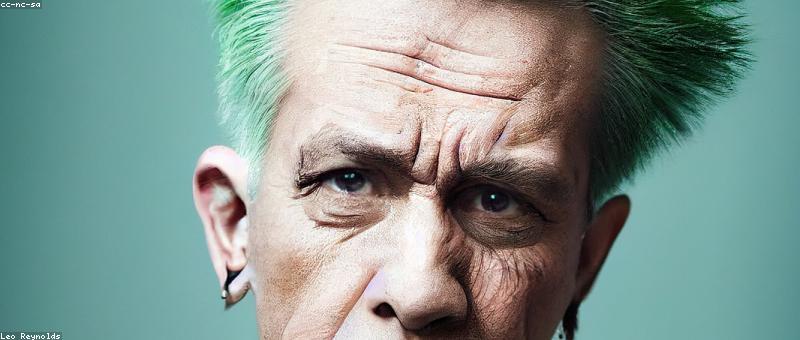
The Seemingly Innocuous Threat
When most people hear the term "AI safety," they imagine dystopian scenarios straight out of science fiction movies – sentient robots rising up against their human creators, or superintelligent algorithms plotting to enslave mankind. But the reality of AI safety is far more nuanced, and often hides in places you'd least expect.

The Unseen Dangers of AI Bias
One of the primary concerns in AI safety is the risk of algorithmic bias – when an AI system amplifies and perpetuates the biases present in its training data or underlying models. This can manifest in everything from facial recognition software that struggles to identify people of color, to resume-scanning bots that discriminate against women. While these issues may seem isolated, the downstream impacts can be severe, affecting everything from hiring decisions to criminal sentencing.
As algorithmic bias expert Julia Stoyanovich explains, "AI systems are not objective or neutral – they reflect the world views and priorities of their creators. If those creators have blind spots or unexamined biases, the technology will too." Combating this insidious threat requires rigorous testing, transparent data practices, and a fundamental rethinking of how we develop AI in the first place.
When AI Meets the Real World
But the dangers of AI safety go far beyond just bias. As AI systems become more sophisticated and integrated into our daily lives, the potential for unintended consequences grows exponentially. Consider the case of self-driving cars – an area where safety is paramount, yet one fraught with complex moral quandaries.
"In the event of an unavoidable accident, should a self-driving car prioritize the safety of its passenger, or minimize the overall harm by sacrificing the passenger?"
This is just one of the many ethical conundrums that automakers, regulators, and the public must grapple with as autonomous vehicles become a reality. And it's not limited to transportation – AI in healthcare, finance, and criminal justice all raise urgent safety concerns that demand careful consideration.


The Need for AI Governance
Ultimately, the challenge of AI safety boils down to one of governance – how do we as a society ensure that powerful AI technologies are developed and deployed responsibly, with adequate safeguards and oversight? This is no easy task, as the pace of AI innovation often outstrips the ability of policymakers and regulators to keep up.
Nonetheless, the need for robust AI governance frameworks has never been more urgent. As AI systems become increasingly ubiquitous and influential, the risks of getting it wrong – from privacy violations to existential threats – only continue to grow. Striking the right balance between innovation and safety will be one of the defining challenges of the 21st century.
Comments